
Pest problems in Austin apartments: what to check before you sign
By Ross Quade · Updated 2026-07-02
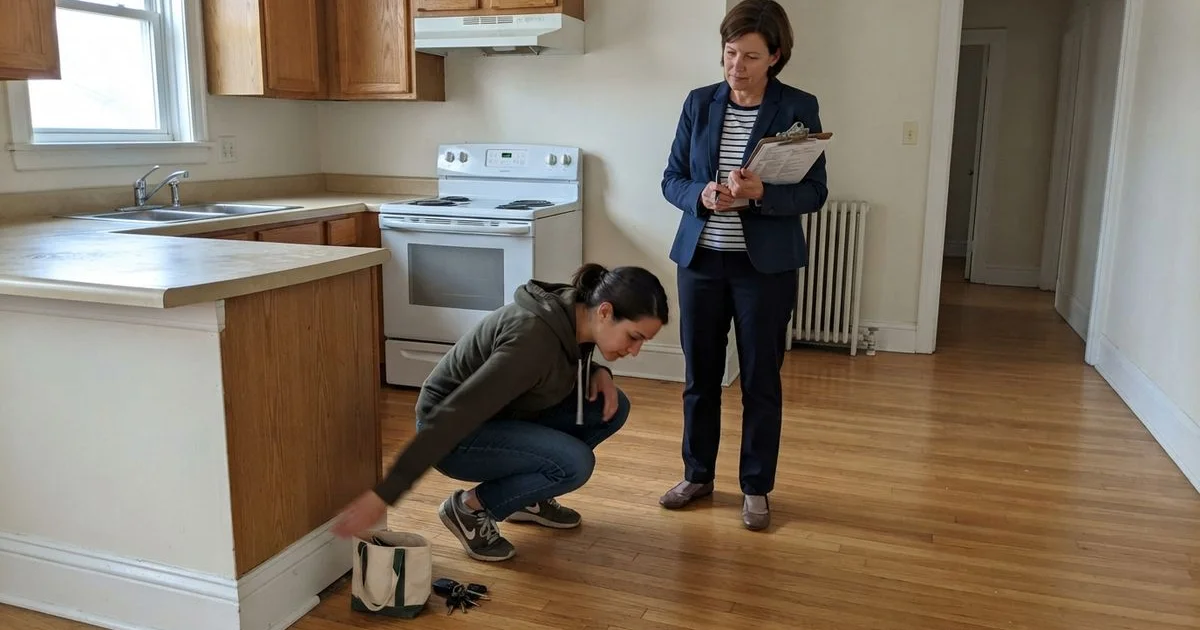
Pest problems, especially roaches, are one of the most consistent complaints across Austin apartment reviews, and it is not really a reflection of any one property being poorly run. Central Texas’s climate and the reality of shared walls in multi-unit buildings make pests a genuine, ongoing issue across the market, not just at older or lower-priced communities. Knowing what to check before you sign, and what to do if a problem shows up after move-in, makes a real difference.
Why this shows up so often in Austin specifically
Warm, humid weather for most of the year is ideal roach and pest habitat, and it does not fully go away in winter the way it might further north. In apartment buildings, shared plumbing lines and adjoining walls mean a pest problem that starts in one unit can spread to neighboring units if it is not caught and treated early. This is true across every category of apartment in this directory, from luxury to affordable, though older buildings and ground-floor units tend to see it more often.
What to check before you sign
- Ask directly about the pest control schedule. A community with regular, scheduled treatment (monthly or quarterly, applied to common areas and available on request for units) is managing this proactively. A community that only treats “on request” is managing it reactively, which tends to mean problems get worse before they get addressed.
- Ask if pest control is included or billed separately. Many communities now bundle it into a resident benefit package; confirm what that actually covers.
- Look at ground-floor and end units more carefully. These tend to see more pest activity than upper-floor, interior units, simply due to proximity to landscaping and exterior walls.
- Check recent resident reviews for pest mentions specifically, not just the overall star rating, since a property can have a strong average rating while still having a real, unaddressed pest issue reported by multiple recent residents.
| What to check | Good sign | Warning sign |
|---|---|---|
| Pest control schedule | Regular, scheduled treatment | On-request only, or unclear when asked |
| Recent reviews | Few or no recent pest mentions | Multiple recent, specific pest complaints |
| Unit location | Interior, upper-floor units | Ground-floor, end units near landscaping |
| Response to your question | Direct, specific answer | Vague or deflecting answer |
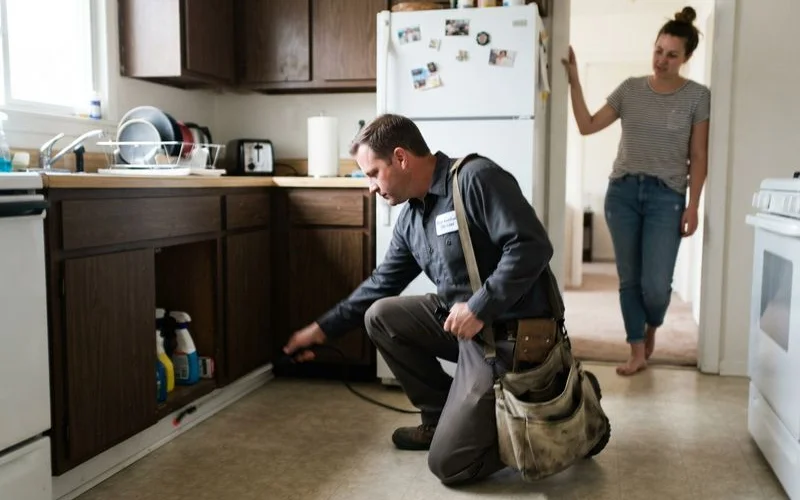
If you already have a pest problem after move-in
Document it immediately: photos, dates, and a written request to the leasing office (email or tenant portal, not just a verbal report at the front desk). Texas law requires a landlord to address conditions that materially affect habitability once properly notified in writing, and pest infestations generally fall under that standard. Follow up in writing if the first request does not get a response within a reasonable time, and keep copies of everything.
If a serious, documented infestation goes unaddressed after proper written notice, Texas law may provide remedies up to and including lease termination in some cases, though the specific notice periods and conditions matter a great deal. This is general information, not legal advice; for a serious, ongoing infestation that is not being addressed, a tenant rights organization can help you understand your specific options.
Simple things to check yourself during a tour
Small dark droppings along baseboards, grease marks near appliances, or a faint musty smell in a kitchen or bathroom can be early signs of a pest issue that a quick walkthrough might otherwise miss. None of these alone means a unit has a serious problem, but they are worth a direct follow-up question to the leasing agent if you notice them. Since you are already walking the unit closely, our guide on noise and thin walls covers the other habitability-adjacent complaint worth checking on the same visit.
The bigger picture
A pest issue at one unit does not necessarily mean the whole property has a systemic problem, and a single bad review is not the same as a pattern. Look for how a community responds, both to your direct question during a tour and in how recent reviews describe management’s follow-through, rather than assuming any pest mention is disqualifying. Our methodology explains how we weigh sentiment signals like this when scoring the communities listed in this directory, and Austin Apartment Reviews Guide is a good place to check recent, specific resident feedback before you sign anywhere.
Frequently asked questions
- Why do apartments in Austin have roach problems?
- Central Texas's warm, humid climate is friendly to roaches and other pests for most of the year, and shared walls and plumbing in multi-unit buildings make it easy for a pest problem in one unit to spread to neighbors if it is not treated quickly.
- Is pest control the landlord's responsibility in Texas?
- Generally, yes, when the infestation affects habitability and was not caused by the tenant's own housekeeping. A landlord who is properly notified in writing and fails to address a serious pest problem may be in violation of the habitability standard under Texas law.
- What should I ask about pest control before signing a lease?
- Ask whether the community has a regular, scheduled pest control service (not just an on-request one), how often units are treated, and whether pest control is included in the resident benefit package or billed separately.
- Can I break a lease because of a pest infestation?
- In serious cases, if the landlord fails to address a documented, health-affecting infestation after proper written notice, Texas law may provide remedies including lease termination. This depends heavily on the specifics and proper notice, so review the situation carefully or consult a tenant rights resource before acting.